
Featured image credit: Michael Rivera
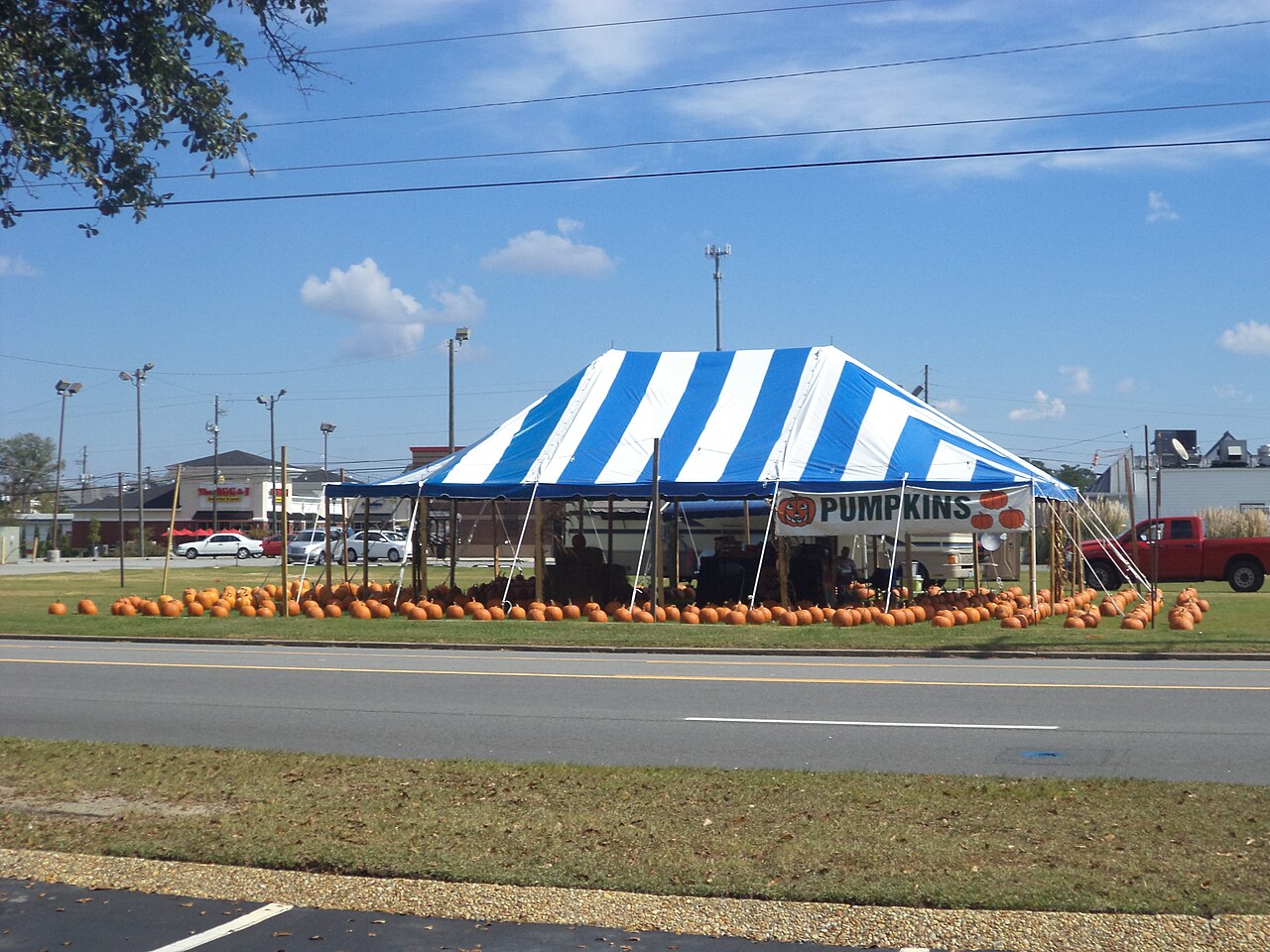
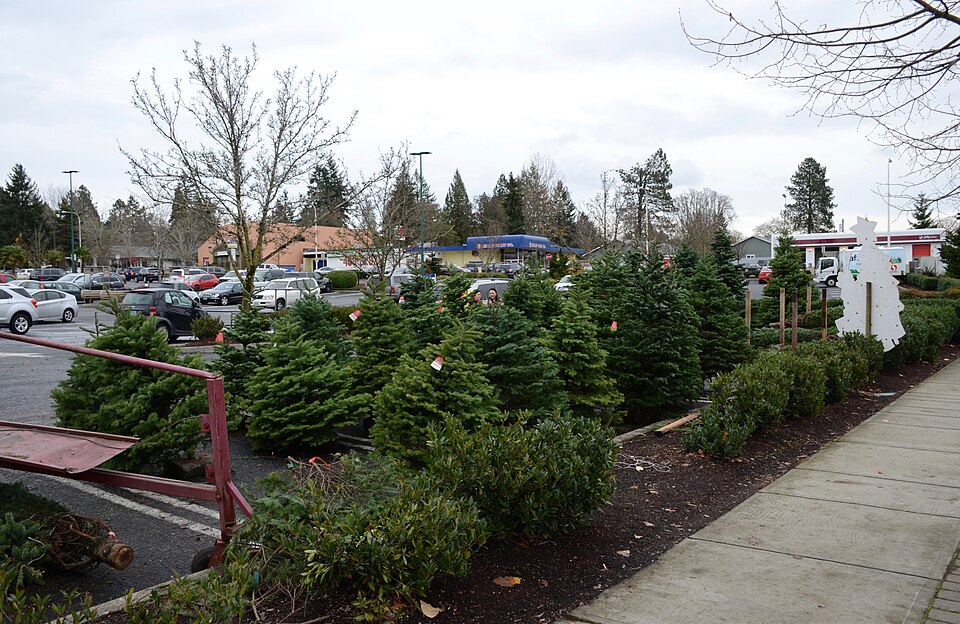
It’s that time again. Every late September into early October, vacant lots across Southern California begin to populate with bales of hay and rows of plump pumpkins. About a month later, the same spaces are packed with fragrant evergreens inviting yuletide cheer. It’s a 3-month span when your vacant land doesn’t have to hemorrhage money as you patiently wait for the right long-term tenant. By considering listing that lot as short-term commercial land for lease, you can earn additional income without any lasting obligations.
Small Owners Particularly Benefit from Seasonal Commercial Land for Lease
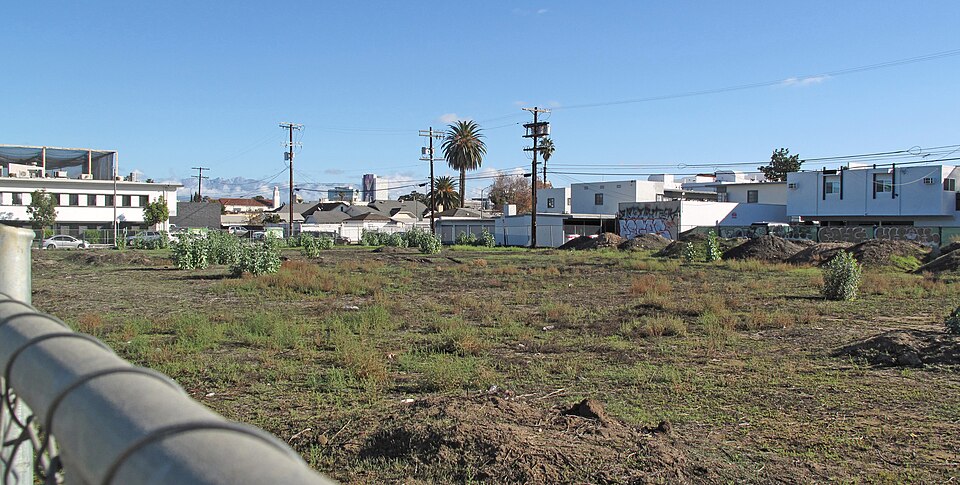
The costs of a vacant land investment can add up quickly between property tax, insurance, and upkeep. Do you want to sell the lot? Develop it? Take on a reliable, long-term tenant? By putting commercial land for lease on a seasonal, short-term basis, you can buy yourself more time to carefully consider a long-term strategy. And, best of all, you’ll be earning money, not losing it.
Mom-and-pop owners enjoy numerous benefits of leasing land on a seasonal and temporary basis, including:
Flexibility
If a better deal comes your way, you won’t be locked into a lease for too long.
Low Upfront Costs
Due to the nature of these leasing business types, tenants frequently provide their own shelter and inventory, so you need only focus on leveling and tidying the lot.
Gauging Interest
Use a short-term lease of your land to test demand, assess visibility, and clarify your long-term plans.
Upkeep
A maintained lot tends to dissuade dumping and related issues more than neglected vacant land.
Meet Your Short-Term Tenant
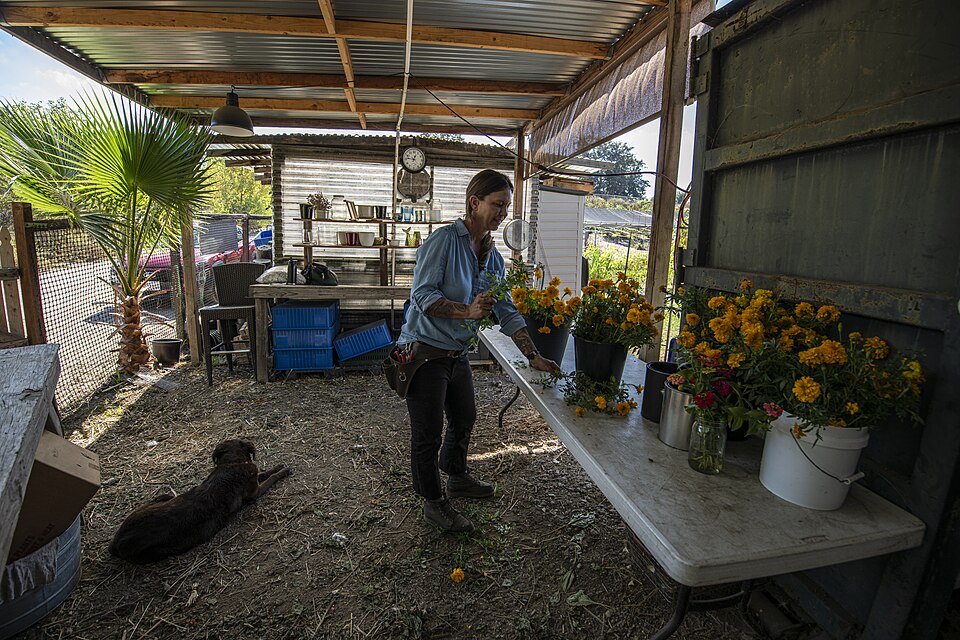
Pumpkin patches and Christmas tree lots are the most common examples of businesses needing commercial land for lease from October through December. But you can still find plenty of opportunities to lease land short-term throughout the year. Consider businesses like:
- Base camps for entertainment productions
- Contractors needing staging areas
- Event parking and overflow
- Farmers markets
- Food trucks
- Mobile vendors
- Pop-up shops
What to Know Before You Get Too Invested
Short-term use is still subject to local regulations. Therefore, before you list your commercial land for lease, familiarize yourself with the following:
Zoning/Permits
Is your parcel zoned to host your prospective tenant’s type of business? Do you need to obtain any temporary use permits?
Fire/Safety
A fire department review may be required for certain short-term businesses, like Christmas tree lots.
Insurance
It’s often suggested to require the tenant to have liability coverage with you, the owner, listed as an additional insured.
Utilities
Make sure there’s no doubt as to who pays for water, power, sanitation, and any other utilities.
Restoration
Consider adding a clause to the lease about the tenant restoring the lot to its original condition.
When in doubt, reach out to your city’s planning and building departments for clarification. And, if you’re in an unincorporated area, take it to the county level.
Make Sure to Put it in Writing
Even if you’re planning to offer your commercial land for lease on a strictly short-term basis, it’s ideal to create a proper, professional document so you can get everything in writing. A well-prepared lease document will serve to protect you and your tenant alike, while making sure everyone’s on the same page. Make sure the short-term lease covers:
- Deposit
- Duration of the lease
- Hours of operation
- Indemnification terms
- Permitted usage
- Rent amount
- Restoration terms

Why Isn’t Your Vacant Lot Working For You?
If you’ve got a vacant land lot in a commercially zoned area, you may not need to formulate a complex development plan to make it profitable. Short-term commercial land for lease can reframe an afterthought into supplemental income for the season. But it takes the right tenant, a clear agreement, and a firm understanding of local regulations, requirements, and zoning. Wondering if your vacant lot could be working for you during the holidays? Reach out to JohnHart’s commercial team for assistance in evaluating your lot’s potential, finding the right tenant, or drafting a lease that fits your needs.
Note: This article is general information, not legal or tax advice. Permit and zoning requirements vary by location, so verify current rules with your local agency before leasing.





.jpg)
.jpg)

