Featured image credit: David Hawgood
In just two short years, the 2028 Olympic Games will take over Los Angeles. In most cases, this is good for business. But what if your storefront is so close to an Olympic venue that a street closure chokes traffic to your tenants’ businesses? Could an owner invoke the force majeure clause in your commercial lease for some added protection? Could a tenant?
Is Your Business or Investment Property Impacted by the 2028 Olympics?
If you’re unfamiliar with the force majeure clause, it’s a common part of a commercial lease that excuses tenants and landlords alike from non-financial contractual obligations in the event that an unusual and unforeseen event should arise outside of the landlord’s control. Think natural disasters, government shutdowns, strikes… even wars. But the Olympics isn’t exactly a surprise. In fact, the city has been anticipating it since 2017.
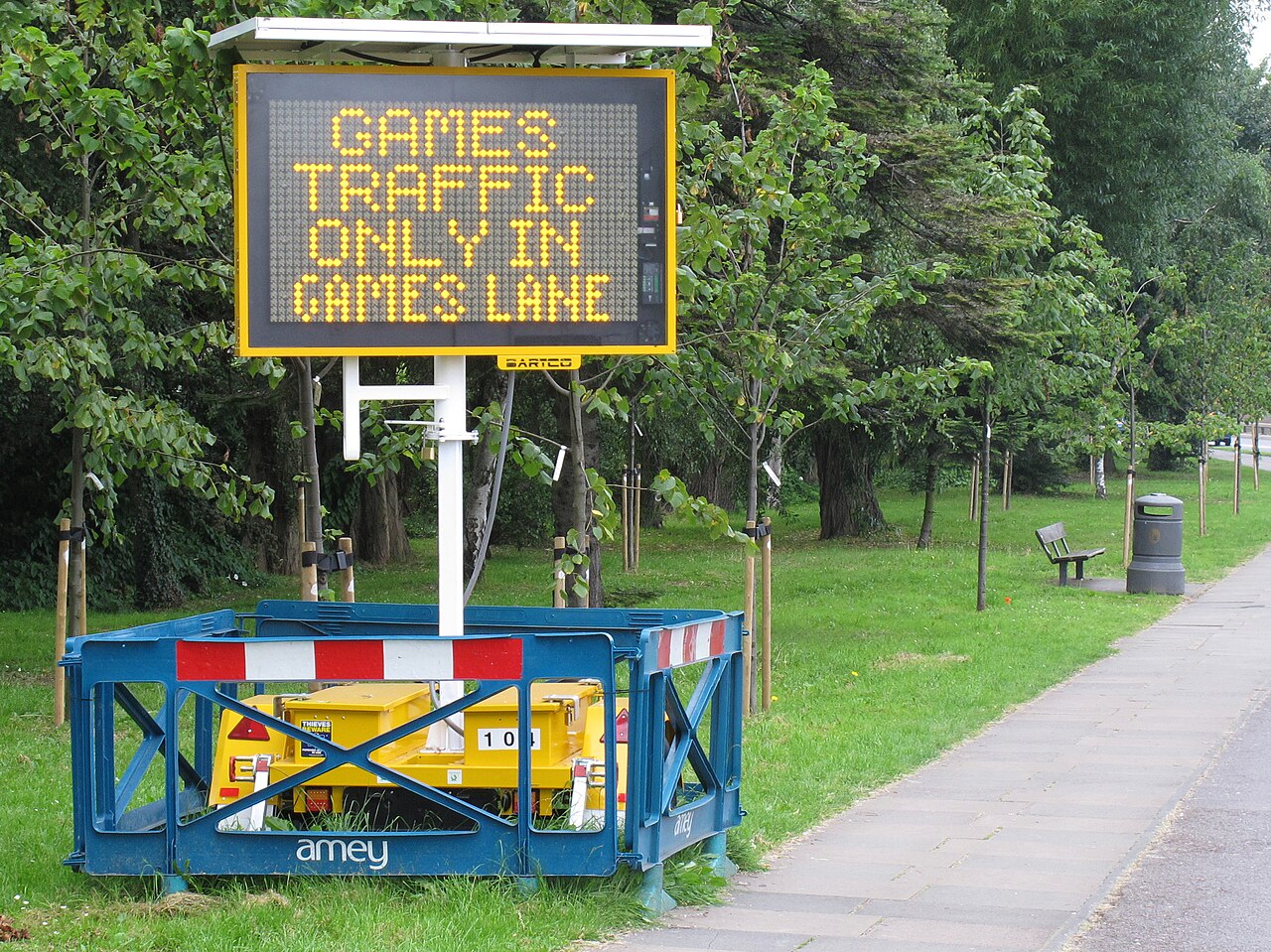
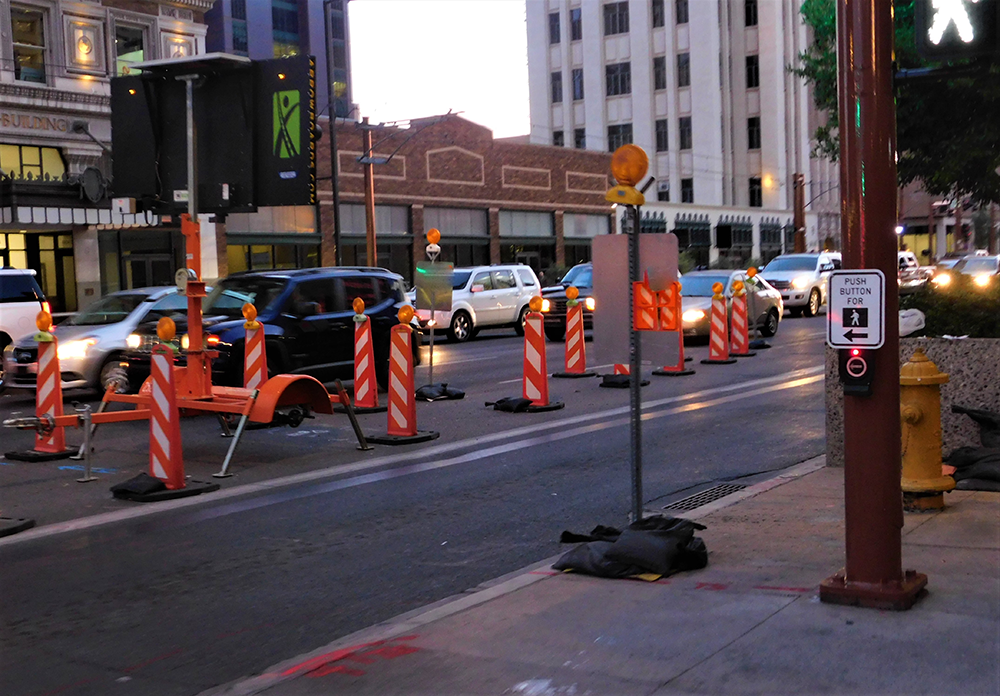
The games will take place for 16 days spanning mid-July to early August 2028. Planners have already instituted security perimeters around 49 of the Olympic venues, meaning private vehicle access, curb parking, and through-traffic will be limited or completely restricted. Caltrans has also established reserve lanes and ramps for Olympic traffic that encompass around 369 miles of freeways and side streets alike, which will be in effect from June 1 through September 1, 2028. Leading up to the games, Metro has nearly 30 ambitious transportation projects it’s aiming to complete, leading to more road construction than usual. With this in mind, how will your business be impacted?
The Force Majeure Clause Likely Isn’t Your Solution
A tenant’s or owner’s instinct may be to fall back on a lease’s force majeure clause if Olympic closures disrupt traffic to the property. But a few points of clarification mean it may not help that much.
Rent is Rarely Excused
In almost every circumstance, a force majeure clause states that rent and other monetary obligations are not excused. Even if the force majeure clause accounts for a disruptive event, it may just push back the deadline for payment. But the payment itself is rarely, if ever, excused.

Events Must Be Unforeseeable or Listed
In order to invoke this clause, the event must be either unforeseeable or listed. A lease’s force majeure clause likely leaves little open to interpretation. And though California has shown some flexibility, the state usually takes a strict approach to force majeure disputes. Since Los Angeles agreed to hosting duties for the 2028 Olympic Games back in September 2017, it could be argued that any leases signed after that point would have been completed with ample awareness of the forthcoming games. Of course, we’re real estate professionals, not attorneys, so we’re hesitant to predict how a California court would rule.
Restriction Does Not Equate to Closure
During World War II, a government order restricted the sales of new automobiles, inspiring a lawsuit from an auto dealer who fell into financial hardship. At the conclusion of Lloyd v. Murphy, the California Supreme Court ruled that, since the business was restricted but not prohibited, the lessee was still on the hook for all monetary contractual obligations. It’s worth noting that the court considered additional factors, including the auto dealer’s vast experience and the high likelihood of a war declaration at the time the lease was signed.
Don’t Wait for the Confusion to Settle In
Tenants and owners alike can take precautions now that prevent confusion when the 2028 Olympics potentially impact business, including:
Re-Read Your Lease’s Force Majeure Clause
Do you notice any mention of “government activity”, “road closures”, or “construction”? Is rent included or excluded in the force majeure terms?
Do You Need to Give Notice?
It’s common for a force majeure clause to include a deadline for a written notice. Failure to submit a written notice of intent within this timeframe can automatically nullify any claim related to the event, depending on the specific terms of the contract.
Clarify Concerns Before You Renew

If your lease is coming up for renewal, make sure to clearly state your questions and concerns regarding coverage during road closures and Olympics-related activity. Are there any changes to rent or deadlines?
Get Ahead of a Potential Problem
If you’re the property owner, consider scheduling a meeting with your tenant to go over a temporary arrangement in response to Olympic closures. A short-term solution may be more effective than a prolonged dispute.
Don’t Force the Force Majeure Clause
Again, we’re not attorneys, but going on the precedent set by the California Supreme Court, we expect that a force majeure clause is a largely ineffective way to suspend rent responsibilities in the wake of Olympics-related hindrances. But it will all boil down to the specific wording in your lease. If you think the terms are up for interpretation, get a professional attorney to review and clarify. We all have to prepare for the big game in our own way!
This article is for general education and is not legal advice. Consult a California real estate attorney about your specific lease.