
Featured image credit: G. Edward Johnson
Even if you’re investing at the mom-and-pop level, it can still be worth your while to study the behavior of larger property investment companies in your area. But this isn’t about emulating them. It’s about using your differences to your advantage. Real estate investment companies often get tied up by return thresholds, lender requirements, and committee approval that smaller investors don’t need to worry about. So, when a larger firm passes on a property, you might want to give it a closer look. Let’s look at three categories that can lead to property investment companies passing, but lead to significant savings for a patient investor.
1. Deferred Maintenance

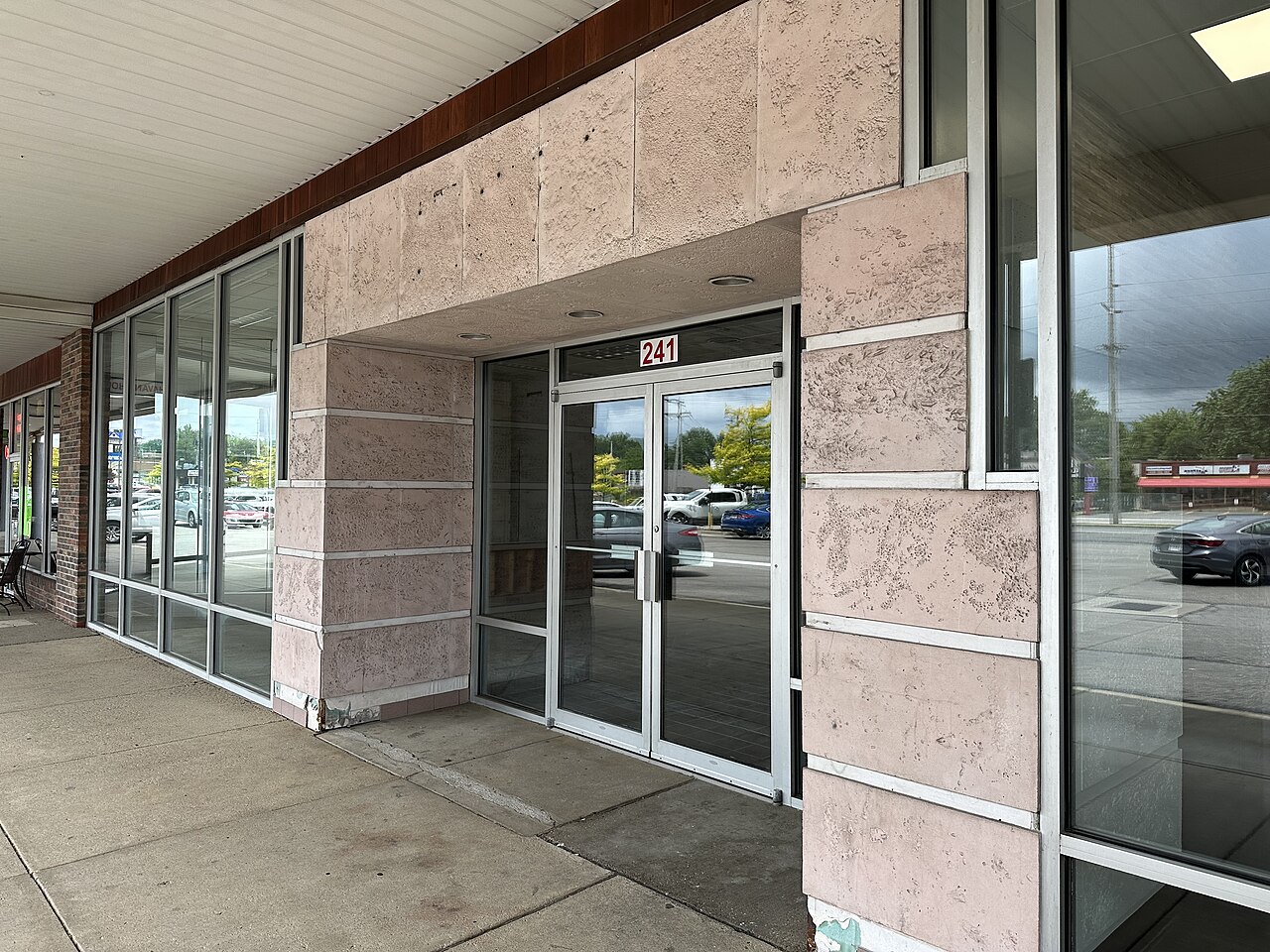
Many larger firms want their investments running efficiently from day one. Therefore, when they run into older commercial buildings with sagging roofs, strained HVAC systems, frayed electrical panels, and cracked parking lots, they may be tempted to move on.
How This Can Still Work for a Smaller Investor
If you have a background in construction or are closely connected with local contractors, properties that postponed their maintenance can offer a big opportunity. Especially because they often sell at a steep discount.
Beware…
Property owners who slack on maintenance typically do so for the entire building, meaning if there’s one problem, there are probably a few more you haven’t noticed yet. Therefore, it’s smart to employ the services of a licensed inspector to look over the property. Try to get some contractor bids before submitting your offer. You’ll also want to research your local retrofit guidelines to see if they apply to your potential investment. Certain building types, like concrete buildings erected before the 1980s, may require costly seismic upgrades.
2. Short Leases
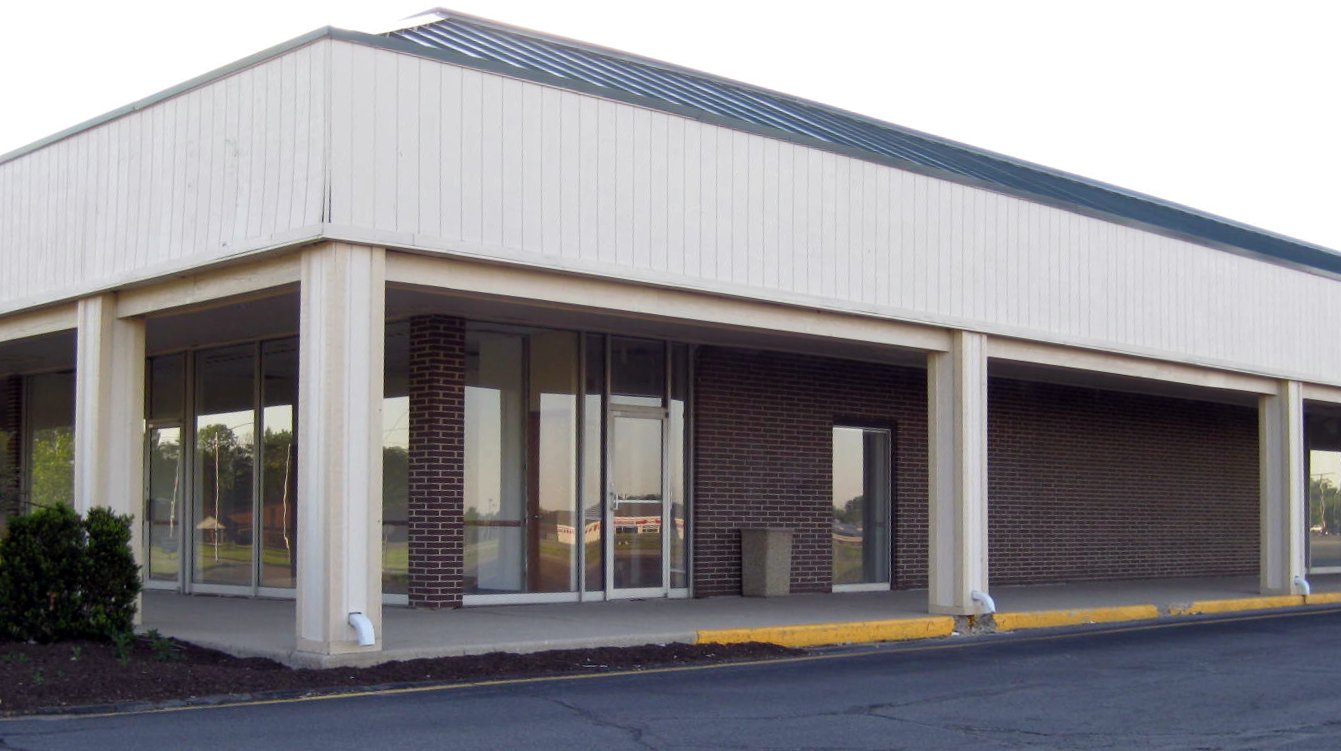
Institutional property investment companies and their lenders tend to gravitate toward properties that boast long-term leases and reliable tenants. If they come across a property with an abundance of short-term leases, they’ll often pass rather than deal with the high turnover.
How This Can Still Work for a Smaller Investor
Short leases can give a mom-and-pop level investor a valuable flexibility that the larger property investment companies don’t really need. For example, short leases can be used to reset rent to market value, negotiate improved terms, or even orchestrate a more favorable tenant mix.
Beware…
However, none of these advantages matter if no one wants the space. Therefore, it behooves you to ask for the rent roll, lease agreements, and tenant estoppel certificates to get a clear idea of what you might be getting into. What is the vacancy rate like? How comparable are asking rents in nearby buildings?
3. Environmental Issues
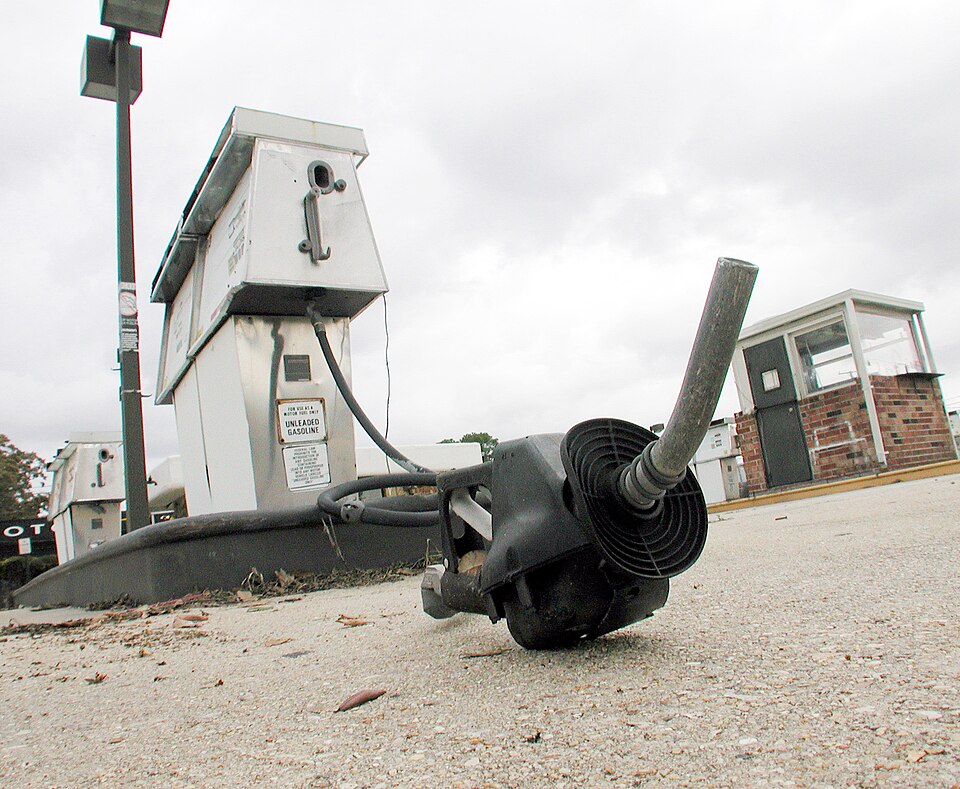
Certain property types come with an inherent risk of environmental contamination. These include:
- Auto Shops
- Dry Cleaners
- Gas Stations
- Light Industrial Properties
Plenty of established property investment companies don’t want to deal with the headache that comes with these property types. But that often means you can get a decent bargain.
How This Can Still Work for a Smaller Investor
The big question: is the contamination actually manageable? Look for documentation relating to the contamination and whether any sort of clean-up plan is in place. This may require you to consult local or state agencies to see whether they have any open cleanups for the property.
Beware…
We won’t beat around the bush… properties with environmental liabilities are easily the highest-risk category on our list. In the eyes of federal law, investors can still be held responsible for contamination, even if the contamination happened before the purchase. However, investors who employ a Phase I Environmental Site Assessment may be able to enjoy some protection, since special considerations have been made for investors who purchased contaminated properties after submitting “all appropriate inquiries.” If a Phase I Environmental Site Assessment turns up any issues, you may need to follow up with a Phase II, which takes into account soil and groundwater. To be extra safe, you may want to get an environmental attorney involved.
What to Ask When Property Investment Companies Pass
Make no mistake: discounts come at a price in commercial real estate. Therefore, you need to be prepared before trying to take on a building that the property investment companies won’t touch. Maybe refrain from signing the contract until you’ve asked yourself:
- Can you break down the challenges into quantifiable plans of action?
- Can you afford to fix or wait out the challenge?
- Do you have professionals who can give their perspective?
Even at the steepest discount, it’s not a deal unless you can manage it!
This post is for educational purposes only and isn’t legal, financial, or investment advice. Consult a licensed attorney, inspector, and financial advisor before buying commercial property.