

Commercial properties are meant to evolve. That’s no surprise. But it’s also important to remember that not every upgrade is a worthy one. It’s key to a solid investment strategy to recognize which upgrades indicate the biggest returns, and which are simply cosmetic fluff that you can skip. Today, we’re taking a closer look at the property improvements most likely to move the needle where value is concerned.
Improvements That Prioritize Energy-Efficiency
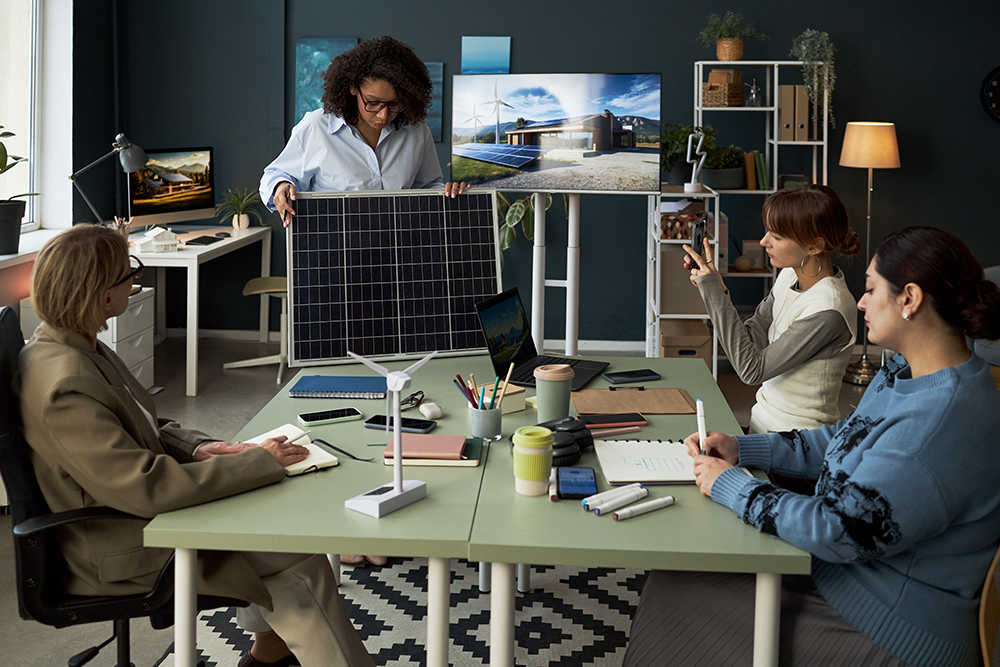
Consider function over fashion with one of the most impactful upgrades on our list: improving your building’s energy efficiency. Commercial properties often benefit immensely from updates that prioritize energy efficiency, including:
- HVAC system (energy-efficient models)
- Insulation improvements
- LED lighting systems
- Smart thermostats
These changes can dramatically reduce operating costs, directly tying into a building’s net operating income (NOI). Many commercial properties tie NOI into their valuations, so such improvements stand a better chance of boosting property value. Energy-efficient structures also commonly qualify for enviable tax incentives, making related upgrades easily one of the smartest choices for building value through renovation.
Roof Restoration (or Replacement)
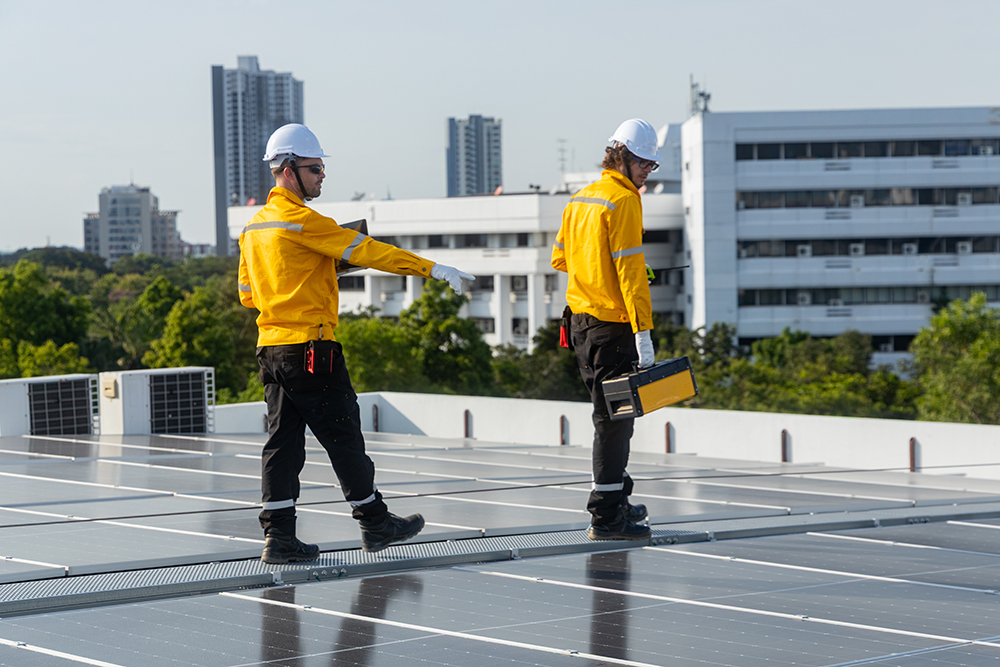
When a commercial property inspector visits a structure with an interested buyer, the roof is often the first feature they assess. A damaged or deteriorating roof indicates deferred maintenance and, unsurprisingly, can jeopardize a deal during the negotiation process. Replacing or restoring a roof isn’t just about maintaining structural integrity, though. Such improvements also give buyers and tenants greater confidence in commercial properties. New roofing can also help with energy efficiency, especially when cool roof coatings or improved insulation materials are incorporated.
Keeping Systems Running Smoothly
Savvy commercial tenants and buyers tend to keep their eyes out for significant liabilities such as antiquated electrical panels, inadequate power capabilities, and eroding plumbing systems. Therefore, it’s integral to upgrade these systems in commercial properties with a goal to meet current building code standards and the power requirements of a modern business. This goes triple for any investors hoping to attract the tenancy of forward-thinking tech companies and medical groups.
Updating Commercial Properties for Compliance
This next upgrade almost feels like cheating, because, in most cases, it’s actually a legal obligation. We’re referring to bringing commercial properties up to code with the Americans with Disabilities Act (ADA) by installing accessible entrances, restrooms, parking spots, and relevant signage. While it’s the law, making these updates can also boost your property’s value with buyers and tenants alike. By staying compliant with the ADA, you make your investment more accessible to businesses and clients alike, which is obviously win-win.
Curb Appeal Counts – Even in Commercial Properties

Commercial properties still leave plenty of room for cosmetic upgrades that can immediately reflect in a building’s value. Yes, even in the commercial realm, curb appeal matters. If you’re leaning toward a more fashionable approach to renovation, concentrate your efforts on building facades, landscaping improvements, parking lot repavement, and signage with a modern aesthetic. These attributes stand to have the most impact on perceived value, attracting attention from curious tenants and buyers. Plus, a maintained exterior indicates that the property is managed with competence and care, another strong signal of value.
Make Sure the Layout Isn’t Played Out
When considering tenant needs, one of the most valuable upgrades worth your consideration is any sort of renovation to the floor plans of your commercial properties. Modern tenants gravitate toward open floor plans. Why? Because they are easier to adapt to a variety of business needs. You can modernize the look of your building with new flooring, fresh paint, tasteful lighting, and layouts flexible enough to remain competitive. Staying up on common area maintenance (CAM) with timely upgrades to lobbies and restrooms can also facilitate a more professional and appealing environment.
Invest Where It Counts
While commercial upgrades obviously aren’t free, you also don’t need a massive budget to sink into these projects to enjoy some decent returns. Start by prioritizing the kind of changes that reduce your operating costs, bring your commercial properties up to legal compliance, and appeal to a broad range of tenants and buyers. If you’re still uncertain where to begin, don’t hesitate to reach out to a commercial real estate agent for additional insight. They can highlight which upgrades make the most sense for your market, guiding every effort to feel like a direct hit.