
Featured image credit: Larry Hachucka
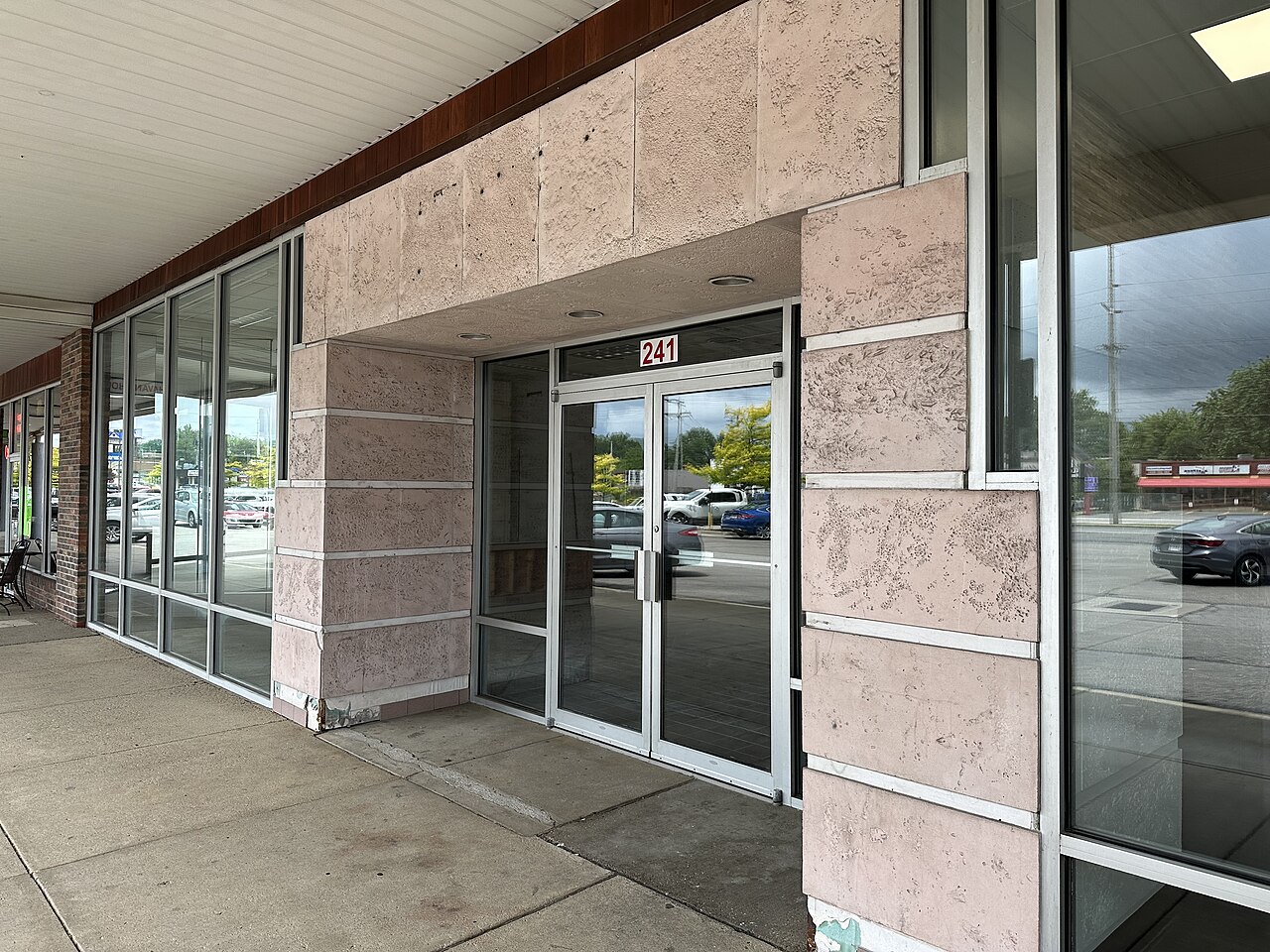
We doubt a strip mall has ever won a beauty contest. But cruise down pretty much any major road from the San Fernando Valley to South Gate, and you’ll find some truly dated examples. Just look for sun-faded signage and weathered stucco. It’s easy to ignore these strip centers when looking to expand your portfolio. But ask any trustworthy real estate investment firm, and they’ll tell you that there’s surprising value in these relics. But more and more investors are starting to notice.
Offline: Game On
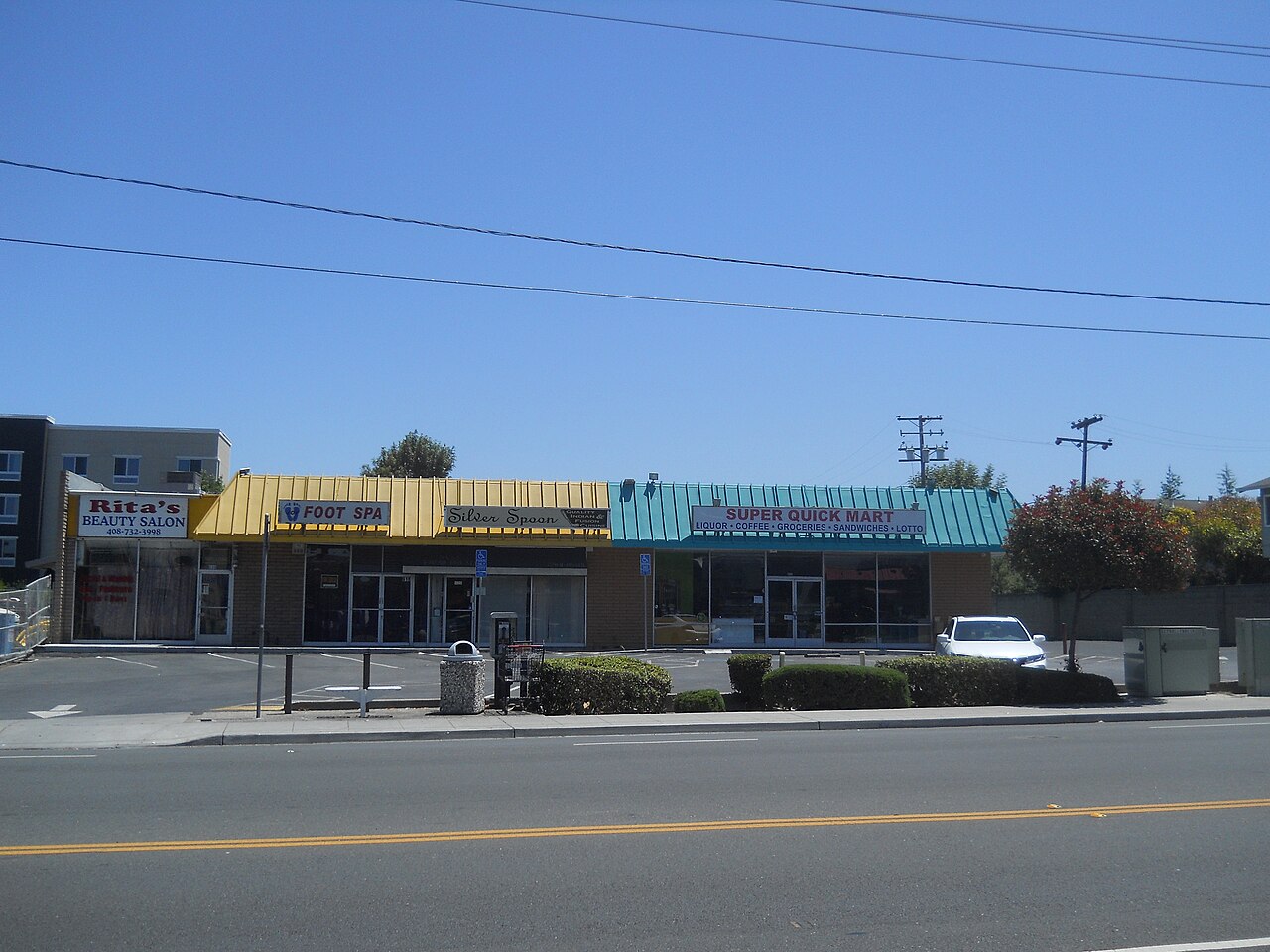
Strip malls tend to attract “necessity retail”, anchors that offer grocery stores, discount shops, and service-oriented businesses often focused on health. These are, to reference a term used often during the pandemic, “essential” businesses. Essential businesses tend to have an easier time enduring economic downturns. The reason isn’t a mystery; the goods and services provided by these businesses aren’t luxuries. They address genuine human needs. It’s why strip malls anchored by grocery stores frequently boast higher occupancy rates than those without that essential draw. Some strip centers are even boasting rents that are consistently rising above the inflation rate.
A Dwindling Supply
While performance underscores that the strip mall isn’t exactly a tired model, it is an old model. And we rarely see newly constructed strip malls. Exorbitant construction fees, costly financing, and zoning red tape have been deterring developers for ages. But this drought creates opportunity for those older strip mall properties. With little new inventory hitting the market, the brunt of the demand falls on the existing strip malls.
An Affordable Entrypoint to Commercial Investment
For a lot of mom-and-pop-level investors, the ugliest strip malls could also be the best deals. Strip malls constructed between 1960 and the ‘80s can commonly be acquired under replacement cost, especially when deferred maintenance is part of the deal. Therefore, older strip centers offer a rare opportunity for investors otherwise priced out of a promising property. But you’ll still want to discuss the move with the right real estate investment firm if you’re relatively new to property investment.
What Would a Real Estate Investment Firm Consider First?
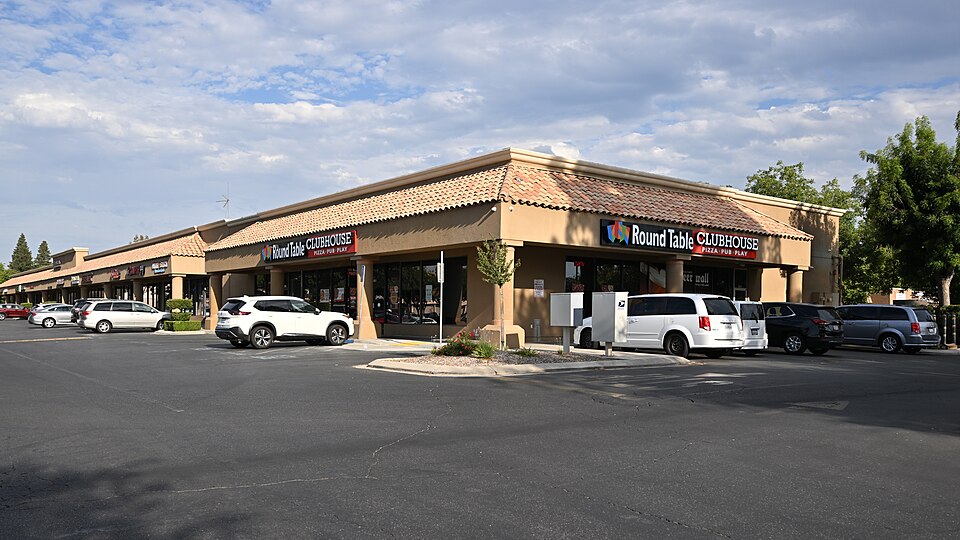
What should an investor consider first when looking for an affordable strip center that’s still adequate to their needs? Try to approach it the same way a real estate investment firm would. Start with assessing the tenants, prioritizing retail and services that you can’t just get online. Think pharmacies, nail salons, grocery stores, and repair services. Then, track the occupancy history, being especially mindful of periods of downturn, such as the pandemic. Look for the green flag: long leases with low turnover. Then, pull data on traffic counts to help determine if there are any visibility issues.
Potential Value Doesn’t Mean Guaranteed Value
Does this mean you should jump on the first dated strip center you find? Definitely not. These properties can hit plenty of snags, from obsolete parking ratios to urgent maintenance issues. And if you’re not sure what to look for, get a real estate investment firm involved. For investors who already have an older strip mall in their portfolios and new buyers alike, don’t be quick to judge a strip center by its stucco. There could be real value beyond the veneer.